
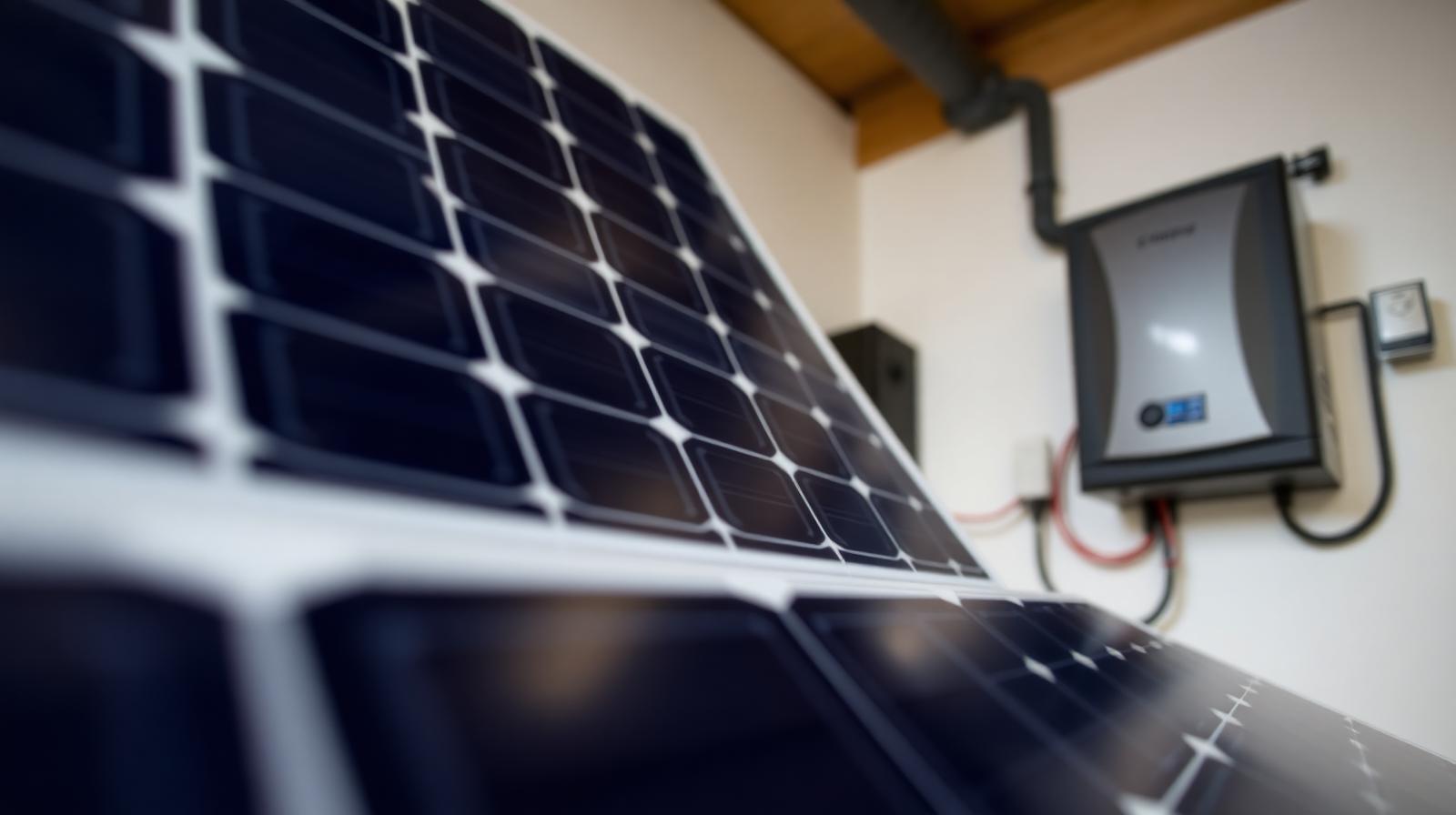
Tesla Powerwall gets the most Google searches. GivEnergy has become a UK favourite. Fox ESS is the choice of many MCS installers — including Alliant. Here's an honest, technical comparison of all three.
The three batteries at a glance
| Tesla Powerwall 3 | GivEnergy 9.5 kWh | Fox ESS | |
|---|---|---|---|
| Usable capacity | 13.5 kWh | 9.5 kWh | 5.12–10.24 kWh |
| Chemistry | NMC | LFP | LFP |
| Cycle warranty | 10 yrs / 70% | 10 yrs / 80% | 10 yrs / 80% |
| Peak output | 11.5 kW | 3.6 kW | 3.7 kW |
| Grid backup | Full home | Limited | Yes (hybrid) |
| Installed cost | £11k–£13.5k | £6.5k–£8k | £1.5k–£2.8k (battery only) |
| Inverter included | Yes (all-in-one) | No (separate) | Paired with Fox hybrid |
Battery chemistry: why it matters more than brand
Tesla Powerwall 3 uses NMC (Nickel Manganese Cobalt). GivEnergy and Fox ESS both use LFP (Lithium Iron Phosphate). LFP offers:
- Higher cycle life — 4,000–6,000 vs 2,000–3,000 for NMC
- Better thermal stability — significantly lower fire risk, particularly in lofts
- Deeper discharge — safely usable to near-zero without degrading
- More consistent capacity over time — 80% at 10 years achievable vs 70% for NMC
Tesla's NMC achieves higher energy density (13.5 kWh in a compact unit). The tradeoff is longevity.
Industry note
Tesla Powerwall 3: premium performance at a premium price
The most complete product — inverter, battery, and gateway in one housing. Installation is faster, the app is excellent, and backup is whole-home rather than selective circuits.
The case for
- Seamless integration — one device, one app
- 11.5 kW peak — handles heat pump, oven, shower simultaneously
- Full home backup when the grid goes down
- Strong brand recognition if you plan to sell your home
The case against
- £11,000–£13,500 installed — significantly more than equivalents
- NMC chemistry — longer-term degradation concern for a 25-year system
- Fewer certified installers than GivEnergy/Fox ESS
- The all-in-one nature complicates VAT treatment on the inverter element
GivEnergy 9.5 kWh: the UK market favourite
UK-headquartered, with assembly in the UK and cells from CATL. The 9.5 kWh LFP unit has become one of the most-specified domestic batteries, primarily on competitive pricing and installer relationships.
The case for
- LFP chemistry with genuine 80% retention warranty
- Strong UK service infrastructure — parts, support, firmware
- Reasonable grid charge scheduling for Octopus Agile/Go
- Works with a range of inverters — flexible for retrofits
The case against
- 3.6 kW peak — can't power ASHP and EV charger simultaneously
- Requires a separate inverter — adds cost and compatibility variables
- 9.5 kWh is the largest single unit — multi-unit stacking adds complexity
Get an unbiased battery recommendation
We'll show you the financial case for each option on your specific property — without pushing one brand.
Fox ESS: the integrated approach
Fox ESS pairs its battery with a hybrid inverter — a single unit managing both solar generation and battery in one box. This is the approach Alliant specifies on every installation; the Fox ESS ECS2900-H hybrid inverter carries a 10-year warranty alongside the battery.
The case for
- True hybrid inverter — solar and battery management in one device
- LFP chemistry with 80% retention warranty
- Modular — 5.12 kWh base, expandable to 10.24 kWh or beyond
- Strong export management — native Levelise Hub integration for SEG optimisation
- 10-year inverter warranty — unusually long for hybrid inverters
Why Alliant specifies Fox ESS
A simple decision framework
- Tesla Powerwall 3 — you want premium all-in-one, value whole-home backup, budget above £11,000.
- GivEnergy — you're retrofitting onto an existing non-hybrid inverter, or your installer has GivEnergy infrastructure.
- Fox ESS — you're installing solar and battery together and want the best total-cost-of-ownership over 25 years, particularly with smart tariff or SEG optimisation.
Frequently asked questions
Does the government give grants for home battery storage?
Not directly — there is no standalone grant for batteries. However, batteries installed as part of a solar system qualify for (saving roughly £200–£500). The Warm Homes Plan may include battery storage as an eligible measure.
Which battery holds up best in a loft installation?
LFP chemistry (GivEnergy, Fox ESS) is substantially safer in loft installations than NMC. All batteries should be installed in a ventilated, temperature-stable location.
Can I add a battery later if I install solar now?
Yes — but plan for it. Specifying a hybrid inverter (like Fox ESS) now means you can add storage later with minimal additional cost. Retrofitting a battery onto a string inverter typically requires replacing the inverter (£1,000–£2,500 extra).
How many years does a home battery last?
Most LFP batteries are warranted for 10 years at 80% capacity retention, but the cells typically last 15–20 years with normal domestic cycling.

